


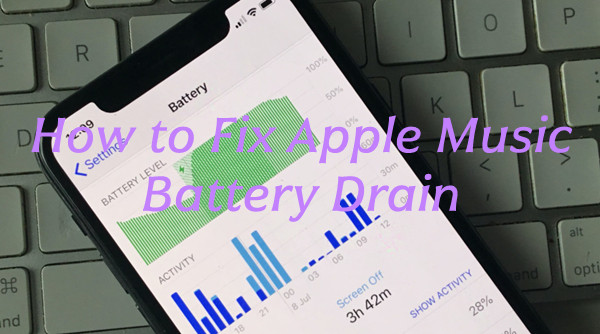
Apple Music is a great app, but some users notice it drains the phone battery faster than normal. You may be listening to music and suddenly see the battery drop. Sometimes this issue starts after a system update. For example, nearly 70% of iPhone users on iOS 13.5.1 reported battery drain while using Apple Music, according to 9to5mac.com. Sometimes Apple says there is nothing to worry about even if there is battery drain, but is that true when Apple Music shows an astonishing 95% battery usage? Why?
Besides system updates, this often happens when Apple Music runs in the background to keep playing or syncing, or when it uses location services or audio settings like Lossless Audio.
In this post, we will show you how to check if Apple Music is draining your battery and how to fix it. The steps work on both iPhone and Android. Once you follow the steps here, the battery usually returns to normal. You will also find extra tips to reduce battery usage and keep Apple Music running smoothly. Let's get started!
Part 1. How to Tell If Apple Music Is Draining Your Battery
Apple Music can drain battery in different ways, so you really need to know if the Apple Music app is draining your battery by checking the battery usage. If the battery drain is between 5 to 10 percent per hour for Apple Music, this is considered normal.
Some users report Apple Music is draining battery even when it is not running. For example, the phone can be at 100% in the morning and drop to 20% by early afternoon, even if Apple Music is not open. In this case, the app is still running in the background and using power without any visible activity.
If you find the Apple Music app is draining your battery more than that, you should close the app, check for an update, or consider uninstalling it. If you want to troubleshoot further, you can try the solutions in this post for either your iPhone or Android device.
To check the battery usage of the Music app on iOS:

Step 1 From the home screen of your iOS device, open the Settings app.
Step 2 Scroll down and tap Battery.
Step 3 On the Battery page, scroll down to the BATTERY USAGE BY APP section. This section shows your battery stats for the last 24 hours or last 10 days, along with the apps that are using the most battery.
Step 4 Look for the Music app in the list. If it is draining your battery, it will appear among the top apps.
To check the battery usage of the Apple Music app on Android:
Step 1 From the home screen of your Android device, open Settings and go to Battery > Battery usage.
Step 2 You will see a list of apps and their battery usage, usually shown for the last 24 hours or past 7 days (depending on the device).
Step 3 Check if Apple Music appears near the top and is using a significant amount of energy.
Part 2. How to Tell If Apple Music Is Draining Your Battery
Once you confirm Apple Music is using too much battery, the next step is to adjust the settings and clear anything running in the background. These fixes cover common causes like background syncing, audio processing features, and basic steps to force stop the Apple Music app, clear the cache, or reinstall the app. They work on both iPhone and Android.
1. Disable Lossless Audio & Dolby Atmos
Lossless Audio and Dolby Atmos use more power because they require higher data processing and stronger streaming. This can cause battery drain, especially when using cellular data. To fix this, go to Apple Music settings and turn off Lossless Audio and Dolby Atmos. You can also set them to work only on Wi-Fi if you want to use the feature sometimes.
iPhone:
Open the Settings app on your iPhone.
Scroll down and tap Music.
Tap Audio Quality.
Turn off Lossless Audio.
Turn off Dolby Atmos.
Android:
Open the Apple Music app on your Android phone.
Tap your profile icon in the top-right corner.
Tap Settings.
Tap Audio Quality.
Turn off Lossless Audio and Dolby Atmos.
2. Download Music for Offline Listening
Streaming music uses more battery than playing downloaded songs because the app needs to stay connected to the internet. If you download your favorite playlists or albums, the phone does not need to keep streaming in the background. This reduces battery usage and keeps playback smooth. Just download the songs over Wi-Fi and listen offline when possible.
iPhone:
Open the Apple Music app.
Find the playlist or album you want to download.
Tap Add to add it to your library.
Tap the Download icon (cloud with a downward arrow).
Wait for the download to finish before listening offline.
Android:
Open the Apple Music app.
Open the album or playlist you want to save.
Tap Add to add it to your library.
Tap Download to save it offline.
Check the download progress in the Downloads section.
3. Turn Off Background App Refresh
Background App Refresh allows Apple Music to stay active and update even when you are not using it. This can drain battery quickly, especially if your library is large. On iPhone, go to Settings, then Music, and turn off Background App Refresh. On Android, go to Settings, Apps, Apple Music, and disable background activity or background data.
iPhone:

Open the Settings app.
Tap General.
Tap Background App Refresh.
Scroll down and find Apple Music.
Turn off Background App Refresh.
Android:
Open the Settings app.
Tap Apps.
Find and tap Apple Music.
Tap Battery.
Turn off Background activity.
4. Disable Animated Album Art
Animated album art can look cool, but it uses extra processing power and keeps the screen and app active. If your battery drains quickly, turning this feature off can help. In Apple Music settings, find the animated art option and disable it. This reduces the app's power use without affecting the audio quality.
iPhone:
Open the Settings app.
Tap Accessibility.
Tap Motion.
Turn on Reduce Motion.
Close Settings and reopen Apple Music.
Android:
Open the Settings app.
Tap Accessibility.
Tap Reduce Motion or Remove Animations.
Turn it on to reduce visual effects.
Reopen Apple Music to see changes.
5. Limit Cellular Data Usage
Streaming on cellular data can use more battery than Wi-Fi because the phone has to maintain a mobile connection. You can reduce battery drain by limiting Apple Music's use of cellular data. In Apple Music settings, set streaming to Wi-Fi only or reduce streaming quality when using mobile data.
iPhone:
Open the Settings app.
Tap Music.
Tap Cellular Data.
Turn off Streaming or set to Wi-Fi only.
Return to the home screen.
Android:
Open the Apple Music app.
Tap your profile icon.
Tap Settings.
Tap Cellular Data.
Turn off Streaming or choose Wi-Fi only.
6. Use Wi-Fi Instead of Mobile Data
Wi-Fi is usually more stable and uses less battery than mobile networks. If you keep listening on cellular, the phone may work harder to stay connected, which increases battery usage. When possible, switch to a Wi-Fi network for streaming or downloads to reduce battery drain.
iPhone & Android:
Open the Settings app.
Tap Wi-Fi and turn it on.
Connect to a Wi-Fi network.
Turn off Mobile Data if needed.
Open Apple Music and play songs using Wi-Fi.
7. Force Close the Apple Music App
If Apple Music is stuck in the background or using too much power, force closing the app can stop background activity. On iPhone, swipe up from the bottom and swipe the Apple Music app away. On Android, go to Settings, Apps, Apple Music, and tap Force Stop. This can quickly stop any hidden processes that keep draining battery.
iPhone:
Swipe up from the bottom of the screen (or double press the Home button).
Swipe left or right to find Apple Music.
Swipe up on the Apple Music card to close it.
Return to the Home screen and reopen Apple Music.
Android:
Open the Recent Apps menu.
Swipe left or right to find Apple Music.
Swipe up to close the app.
Reopen Apple Music from the home screen.
8. Clear Apple Music Cache
Cache files can become large or corrupted, which may cause the app to use more battery while it tries to load or sync content. Clearing the cache can reset this and reduce power usage. On Android, go to Settings, Apps, Apple Music, Storage, and clear cache. On iPhone, you may need to offload or reinstall the app to clear the cache.
Android only:
Open the Settings app.
Tap Apps.
Find and tap Apple Music.
Tap Storage.
Tap Clear Cache.
Reopen Apple Music.
9. Update the Device OS and App
Outdated software can cause battery drain because older versions may have bugs or inefficient processes. Updating iOS or Android and the Apple Music app often fixes these issues. Check for updates in your system settings and the app store, then install the latest versions.
iPhone (OS update):

Open the Settings app.
Tap General.
Tap Software Update.
Install any available updates.
Restart your iPhone after the update.
Android (OS update):
Open the Settings app.
Tap System.
Tap Software Update.
Install any available updates.
Restart your phone.
Update Apple Music App (iPhone & Android):
Open the App Store or Google Play Store.
Search for Apple Music.
Tap Update if available.
Restart the app.
10. Toggle Time Zone Settings
Sometimes the phone uses extra power when it keeps adjusting time and location in the background. Turning the time zone settings off and back on can reset this and reduce battery drain. On iPhone, go to Settings, General, Date & Time, and toggle Set Automatically off and back on. On Android, go to Settings, System, Date & Time, and do the same.
iPhone:

Open the Settings app.
Tap General.
Tap Date & Time.
Turn off Set Automatically.
Wait 5 seconds and turn it back on.
Restart Apple Music.
Android:
Open the Settings app.
Tap System.
Tap Date & Time.
Turn off Automatic Date & Time.
Turn it back on after a few seconds.
Restart Apple Music.
11. Reinstall the Apple Music App
If the battery drain continues after trying everything, reinstalling Apple Music can reset the app completely. This removes any corrupted files or settings that may be causing the issue. Delete the app, restart your phone, and reinstall Apple Music from the App Store or Google Play Store.
iPhone:
Press and hold the Apple Music app icon.
Tap Remove App.
Tap Delete App to uninstall.
Open the App Store.
Search Apple Music and reinstall it.
Sign in and check battery usage.
Android:
Open the Settings app.
Tap Apps.
Tap Apple Music.
Tap Uninstall.
Open the Google Play Store.
Search Apple Music and reinstall it.
Extra Tips: How to Reduce Apple Music Battery Usage
After the main fixes, a few simple habits can help keep battery usage low in daily use. These tips focus on reducing background activity and avoiding extra power use while you listen.
1. Enable Low Power Mode
Low Power Mode reduces background activity and limits some visual effects. This means the phone uses less power overall while you listen to music. It can also slow down background syncing and reduce system load, which helps Apple Music use less battery. You can turn this on when you are out or when the battery is low.
iPhone:

Step 1 Open the Settings app, then scroll down and tap Battery.
Step 2 Find the Low Power Mode toggle and switch it on.
Step 3 Close Settings and keep using Apple Music - the phone will automatically reduce background activity.
Android:
Step 1 Open the Settings app, then tap Battery.
Step 2 Tap Battery Saver (or Power Saving Mode).
Step 3 Turn on Battery Saver, then close Settings and continue using Apple Music.
2. Avoid Streaming with Screen On
The screen is one of the biggest battery users, especially if it stays on while you stream music. If you keep the screen off while listening, your phone uses less power. You can also lock the phone or use a sleep timer if you are listening before bed. This simple change can make a noticeable difference in battery life.
iPhone & Android:
Step 1 Open the Apple Music app and start playing a song or playlist.
Step 2 Press the power button to lock your screen, then ignore the lock screen prompts.
Step 3 Use the lock screen music controls to pause or skip tracks.
Step 4 Keep the screen off while streaming to save battery.
3. Turn Off Bluetooth When Not Needed
Bluetooth can drain battery even when you are not connected to a device. If you are not using wireless headphones or speakers, turning Bluetooth off can reduce battery use. If you use Bluetooth often, try to keep it on only when needed to avoid unnecessary power drain.
iPhone:
Step 1 Open the Settings app, then tap Bluetooth.
Step 2 If Bluetooth is on, tap the toggle to turn it off.
Step 3 If you need to use headphones later, return to this screen and turn Bluetooth back on.
Android:
Step 1 Open the Settings app, then tap Connections or Bluetooth.
Step 2 Turn the Bluetooth toggle off.
Step 3 When you want to connect to speakers or headphones again, come back and turn it back on.
4. Lower Screen Brightness (or Enable Auto-Brightness)
High screen brightness uses a lot of power, especially during long listening sessions. Lowering the brightness or turning on auto-brightness can reduce battery usage. This helps the phone adjust the screen level based on your environment, so it does not use more power than necessary.
iPhone:
Step 1 Open the Settings app, then tap Display & Brightness.
Step 2 Drag the brightness slider down until the screen is dimmer.
Step 3 If you want, turn on Auto-Brightness so the phone adjusts automatically.
Step 4 Close Settings and continue playing Apple Music.
Android:
Step 1 Open the Settings app, then tap Display.
Step 2 Drag the brightness slider down to lower the screen brightness.
Step 3 Turn on Adaptive Brightness (or Auto-Brightness) if available.
Step 4 Exit Settings and keep using Apple Music.
5. Turn Off Notifications
Notifications from Apple Music can wake your screen, play sounds, or vibrate your device, which can all contribute to battery drain. If you don't need these alerts, turning them off can help preserve battery life. You can also double-check the settings inside the Music app to make sure everything is disabled.
iPhone / iPad:

Step 1 Open the Settings app, then tap Notifications.
Step 2 Scroll down and tap Music, then turn off Allow Notifications.

Step 3 Open the Music app, then go to For You > Your Profile.
Step 4 Tap Notifications > New Music, and turn off New Music.
Step 5 Confirm that notifications are off by checking that Allow Notifications on This iPhone/iPad is disabled in the Music Notification Settings.
Android:
Step 1 Open the Apple Music app, then tap Listen Now.
Step 2 Tap the More button at the top of Listen Now, then select Account.
Step 3 Tap Manage Notifications.
Step 4 Turn off Artists and Shows notifications.
Step 5 Exit the settings - Apple Music will no longer send notifications, reducing battery use.
6. Restart the Device (or Clear Background Processes)
Sometimes apps and system services keep running in the background without you noticing. Restarting the phone can clear these processes and free up memory. This can reduce battery drain and make Apple Music run smoother.
iPhone:
Step 1 Press and hold the Side + Volume Down button until the power slider appears, then drag the slider to power off.
Step 2 Wait 10 seconds, then press and hold the Side button to turn the phone back on.
Step 3 Once restarted, open Apple Music and check battery performance.
Android:
Step 1 Press and hold the Power button until the power menu appears, then tap Restart.
Step 2 Wait for the phone to reboot completely.
Step 3 Open Apple Music and play music to check if battery usage improved.
Bonus: How to Play Apple Music in Other Music Players
If the battery drain continues or you want a lighter option, you can try playing Apple Music through other music players. Apple Music tracks are protected by DRM, so they can only be played inside the Apple Music app while your subscription is active. This can keep the app running in the background and use more battery.
ViWizard Apple Music Converter can remove DRM and convert your songs into common formats like MP3, WAV, M4A, M4B, AIFF, and FLAC. You can also adjust settings like bit rate and sample rate to control the output quality. The song information, including album art and metadata, stays intact after conversion. Once converted, you can play your music on other devices and players without needing the Apple Music app or a subscription.

A full-featured Apple Music converter that easily converts Apple Music songs, albums, playlists—including iCloud Music Library content, personalized recommendations, and curated playlists—into MP3, M4A, M4B, WAV, AIFF, and FLAC so you can keep your Apple Music forever or transfer it to any device without restrictions.
You May Be Interested

Edit on Apple Music: Your Songs, Playlists, and Library View

Screen Record Apple Music Without Losing Audio (100% Working)

Fastest Way to Check and Delete Duplicates on Apple Music

How to Turn on/off Crossfade on Apple Music

How to Change Apple Music Speed on Multiple Devices

How to Reduce the Size of Songs on Apple Music

Adam Gorden is always looking for new ways to explore music and videos. He likes trying different media tools and learning how to manage audio and video files with ease.

Leave a Comment (0)