


Looking for an Apple Music downloader? These tools help users save, convert, or manage music beyond the streaming app. Although Apple Music allows subscribers to download music, its downloads are intended for in-app offline listening rather than unrestricted use as regular audio files. Options for managing local music depend on the tool and the tracks involved.
Apple Music downloaders include desktop software, open-source projects, and online websites. Desktop tools such as ViWizard Apple Music Converter convert supported tracks into formats like MP3. Online tools work through a browser, while open-source projects offer more flexibility for technically experienced users.
This guide introduces Apple Music downloaders, their features and limitations, how to choose a suitable tool, and how third-party software compares with Apple Music's built-in downloads. Looking for the right tool? Check out our review of the 10+ best Apple Music downloaders.

Need Apple Music in more flexible audio formats? ViWizard Apple Music Converter helps Apple Music subscribers create a personal music library with seamless music backup. Build your collection and keep your music beyond the Apple Music app.
Part 1. What Is an Apple Music Downloader?
An Apple Music downloader is a tool designed to download or process music associated with Apple Music. These tools include desktop applications, open-source projects, and online services that offer features not available in the official Apple Music app. They are developed by third parties and share a common purpose: downloading music from Apple Music and saving it as audio files.
1. Desktop Apple Music Downloaders

Desktop Apple Music downloaders are applications installed on a computer to process music and prepare local audio files. Depending on the product, they may offer format selection, batch processing, and metadata preservation. For example, ViWizard Apple Music Converter is a desktop conversion tool for Windows and macOS that supports multiple output formats and music library organization. Its supported tracks and conversion workflow depend on the product's capabilities. Desktop tools are generally suited to users who want a dedicated interface for managing music conversion tasks.
2. Open-Source Apple Music Downloaders
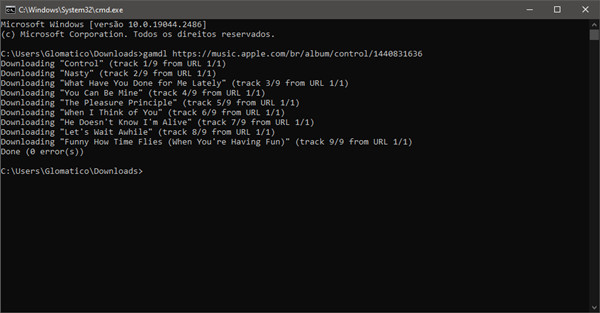
Open-source Apple Music downloaders make their source code available under specified licenses, allowing users to inspect, modify, or customize the software. For example, Gamdl is a command-line tool that supports Apple Music songs, music videos, synchronized lyrics, and metadata tagging. It requires Python 3.10 or later, an active Apple Music subscription, and browser cookies for authentication. These requirements give technically experienced users flexibility but can make setup more challenging for beginners.
3. Online Apple Music Downloaders
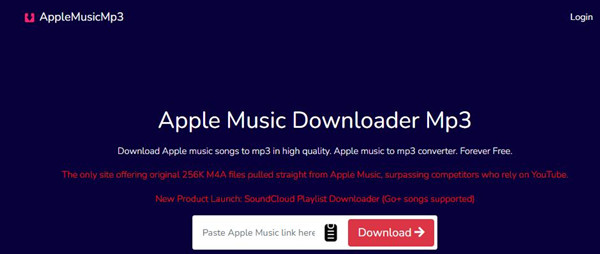
Online Apple Music downloaders provide browser-based interfaces and generally do not require users to install a desktop application. Some services accept Apple Music links and claim to provide downloadable audio files, but their supported content, actual audio sources, output formats, and reliability can vary. For example, AAPLMusicDownloader is one service users may encounter when exploring browser-based options. Browser-based access is convenient, but it does not guarantee that a service can directly download every Apple Music track or playlist.
4. Apple Music Downloader Alternatives
Not every user who searches for an Apple Music downloader needs a third-party tool. Apple Music's built-in download feature lets subscribers save eligible tracks for offline playback within the app. The iTunes Store lets users purchase eligible songs and albums for downloading. Music library transfer tools can also help move supported playlists or song selections between streaming services, although they do not necessarily transfer the actual audio files. These options serve different needs: offline listening, purchasing music, or rebuilding a library on another service.
Part 2. What Can You Do with an Apple Music Downloader?
Depending on the tool, users may be able to download songs, albums, or playlists and save supported audio files locally. Some tools offer format selection and preserve metadata such as song titles, artists, and album information. Others support batch processing, custom output folders, lyrics, or artwork.
-

Download songs, albums, and playlists
Apple Music downloaders can process individual songs, albums, or playlists, depending on the tool. Desktop converters such as ViWizard let users select music through a graphical interface, while open-source tools such as Gamdl use a command-line interface to download music from Apple Music URLs. Gamdl can also download music videos and content from artist pages and Apple Music Classical. These features let users download individual tracks or larger collections.
-
Convert Apple Music to common audio formats
Some desktop downloaders convert Apple Music tracks into common audio files that users can manage outside the Apple Music app. ViWizard supports formats such as MP3, M4A, M4B, WAV, FLAC, and AIFF. Users can also adjust settings such as bit rate, sample rate, bit depth, and audio channels. Available formats and settings depend on the software.
-
Choose audio quality and video resolution
Some downloaders let users choose audio codecs and quality settings. Gamdl supports AAC audio at 256 kbps, as well as other codecs such as AAC-HE and ALAC under certain conditions. It can also download music videos at resolutions up to 4K. The available options depend on the tool and the source content.
-
Save lyrics and organize music metadata
Some downloaders save song information and lyrics alongside audio files. ViWizard can preserve lyrics, while Gamdl supports synchronized lyrics in LRC, SRT, and TTML formats, along with automatic metadata tagging. Gamdl can also organize files by artist, album, and track title. These features help users keep music files and their associated information organized.
-
Automate downloads with open-source tools
Open-source downloaders such as Gamdl offer command-line options for users who want more control over the download process. Gamdl supports artist-level downloads, configurable settings, and batch processing through multiple URLs. Its setup requires Python 3.10 or later, an active Apple Music subscription, and an exported browser cookies file.
Part 3. How to Use an Apple Music Downloader
ViWizard Apple Music Converter is a desktop tool that combines Apple Music downloading and audio conversion features. It can convert tracks into common audio formats, such as MP3, WAV, FLAC, AIFF, M4A, and M4B, creating local files from Apple Music subscription tracks on Windows and Mac computers. It also supports metadata preservation, lossless audio conversion, bulk downloading, and more, making it a useful starting point for those looking for an Apple Music downloader. Users may use it for personal projects such as DJ mixes, video creation, and offline backups.
To get started, install ViWizard on a supported Windows or macOS computer and open the program. Follow its instructions to access Apple Music and select the songs, albums, or playlists you want to convert. Choose an output format, such as MP3, adjust the audio settings if needed, and select a folder for the converted files. Then start the conversion, which can reach speeds of up to 20x, according to the software's stated capabilities. Once finished, check a few output files to make sure they meet your expectations before converting more.
Key Features of ViWizard Apple Music Converter
Free Trial Free Trial* Security verified. 5, 481,347 people have downloaded it.
- Convert Apple Music songs, playlists, albums, and artists
- Export Apple Music in 6 formats for different devices and players
- Preserve metadata and lyrics when creating music collections
- Organize converted music by artist and album
- Batch download large Apple Music collections
 Step 1: Download and Install ViWizard Apple Music Converter
Start by visiting the ViWizard website and downloading Apple Music Converter for your Windows or Mac computer. Once installed, launch the application and sign in with your Apple Music account. This gives you access to your Apple Music library, including songs, albums, and playlists, so you can select content for conversion.
 Step 2: Select MP3, WAV, or FLAC as the Output Format
Next, choose your preferred output format: MP3, WAV, or FLAC, depending on how you plan to use your downloaded music. Click the gear icon in the top-right corner to open the settings. Here, you can adjust audio options such as sample rate, bit rate, and channel settings to balance sound quality and file size. Once you're satisfied with the settings, click OK to confirm your choices.
 Step 3: Choose the Apple Music Songs to Download
With your output settings in place, browse your Apple Music library and select the songs, albums, or playlists you want to save as local audio files. Click the "+" button to add your selections to the conversion list. After selecting all the content you need, click "Add to Conversion List" to queue the tracks for conversion. When you're ready, click "Convert" to start the process. ViWizard will convert your selected Apple Music tracks into your chosen format, such as MP3, WAV, or FLAC.
 Step 4: Access Your Downloaded Apple Music Files
Once the conversion is complete, click the "History" button to view your converted files. To locate a file on your computer, click the folder icon next to it to open its save location. You can then organize your MP3, WAV, or FLAC files in your local music library, play them with compatible media players, or transfer them to supported devices for offline listening.
Part 4. How to Choose an Apple Music Downloader
Apple Music downloaders vary in ease of use, price, support, and features. Some suit beginners who prefer a desktop app, while others offer more control through command-line tools. Here's what to consider before choosing one.
A desktop converter such as ViWizard may suit users who want a graphical interface and product support. Gamdl is a better fit for those comfortable with command-line setup and configuration. Online downloaders are convenient for occasional use, but their advertising, privacy practices, and available features deserve a closer look.
-
Choose a GUI or command-line interface
If you'd rather click buttons than enter commands, a desktop app such as ViWizard may be easier to use. It provides a graphical interface for selecting music and setting conversion options. Gamdl, by contrast, runs through the command line and requires Python 3.10 or later, an active Apple Music subscription, and an exported browser cookies file. Setup takes more work, but the tool offers configurable download options.
-
Free vs. paid downloaders
Free tools save money but may require more hands-on setup. Gamdl is open-source and released under the MIT license, with its source code available on GitHub. Commercial tools such as ViWizard offer paid plans with different license periods, including monthly, yearly, and lifetime options. Support and upgrades depend on the plan, so check the terms before paying.
-
Reliable customer support and ongoing maintenance
Downloaders can stop working after software updates, and good support can make troubleshooting easier. ViWizard offers customer support and software upgrades under its paid plans. Gamdl provides documentation and a Discord community, but its maintainers currently focus on critical bug fixes rather than feature-changing contributions. If you prefer help from a support team, a commercial tool may be a better fit.
-
Free online tools and advertising
Online downloaders are convenient because they don't require software installation, but some free services rely on advertising. AAPLMusicDownloader's disclaimer describes its use of advertising services and cookies. Be cautious of pop-ups, unexpected redirects, and fake download buttons. If a site repeatedly sends you to unfamiliar pages, it's safer to leave.
-
Check the formats and features you actually need
Check that a downloader supports the features you want. If you need MP3 files for another music player, confirm that MP3 export is available. For synchronized lyrics, music videos, or artist-level downloads, look for those features specifically. Gamdl supports synchronized lyrics and music videos, while ViWizard offers audio conversion through a graphical interface. Lossless formats, Dolby Atmos, and batch downloads aren't supported by every tool.
-
Consider privacy and account security
Some downloaders require account access or browser cookies. Gamdl, for example, requires an exported browser cookies file for its standard setup. Cookies can contain sensitive session information, so don't share them publicly or provide them to software you don't trust. For online services, check the privacy policy to see how they handle logs, analytics, and advertising.
-
Check setup requirements
Before installing a downloader, check that it supports your operating system and that your computer meets its requirements. Gamdl requires Python 3.10 or later and may need additional components for certain functions. Desktop converters may be easier to set up, but check the current version's device support and installation instructions.
Part 5. Apple Music Downloader Comparison
Apple Music downloaders differ in features, ease of use, technical requirements, and price.
| Feature | Desktop Downloaders | Online Downloaders |
|---|---|---|
| Installation | Require software installation | Run in a browser |
| Supported content | May support songs, albums, playlists, and music videos | Depends on the website |
| Output formats | May support MP3, M4A, WAV, FLAC, and AIFF | Depends on the service |
| Audio settings | May allow bit rate, sample rate, bit depth, and channel adjustments | Advanced settings may be limited |
| Requirements | Compatible operating system and local storage | Compatible browser and internet connection |
| Limitations | Require installation and storage space | May have download limits, reliability issues, or privacy risks |
| Feature | Open-Source Downloaders | Commercial Downloaders |
|---|---|---|
| License and pricing | Often free; source code is publicly available | Usually sold under commercial licenses; free trials may be available |
| Interface | May use command-line tools | Often provide a graphical interface |
| Setup | May require Python, account authentication, and browser cookies | Usually require installation and account authorization |
| Download features | May support songs, albums, playlists, music videos, and synchronized lyrics | May focus on audio conversion, metadata, and lyrics preservation |
| Output options | May offer configurable codecs, metadata, file paths, and naming | May support MP3, M4A, WAV, FLAC, AIFF, and adjustable audio settings |
| Support | Often relies on documentation and community resources | May include vendor support and updates |
| Best suited for | Users comfortable with technical setup | Users who prefer a graphical interface |
| Feature | Free Downloaders | Paid Downloaders |
|---|---|---|
| Cost | No software purchase required | May offer monthly, yearly, or lifetime plans |
| Setup | May require command-line tools and additional dependencies | Usually provide an installation package |
| Interface | May require manual commands | Often provide guided controls |
| Output formats | Depend on the tool and supported codecs | May include MP3, M4A, WAV, FLAC, and AIFF |
| Extra features | May include batch downloads, synchronized lyrics, metadata tagging, or music videos | May include audio customization, lyrics preservation, and batch conversion |
| Support | Documentation and community resources | Customer support may depend on the plan |
| Best suited for | Users seeking free tools and flexible configuration | Users who prefer convenience and dedicated support |
Overall, the best Apple Music downloader depends on your budget, technical skills, and desired features. Consider ease of use, supported formats, customization, and support to find the option that best suits your needs.
Part 6. Is Using an Apple Music Downloader Legal and Safe?
Using an Apple Music downloader isn't automatically legal or illegal. It depends on the tool, how you use it, the music involved, and applicable laws. Safety also matters, especially when a tool asks for account credentials or browser cookies or comes from an unfamiliar website.
Know the rules
Apple's Media Services Terms and Conditions state, "You may not tamper with or circumvent any security technology included with the Services or Content." In other words, a downloader that bypasses Apple's built-in protections may violate its terms. Even if a tool successfully saves a track, that doesn't automatically make the download lawful. Apple's terms also note that some content may not be available for download.
Offline doesn't mean forever
Apple Music's built-in downloads let subscribers listen offline, but access to subscription music ends when the subscription expires or is canceled, subject to Apple's terms. Downloading an album for a trip doesn't mean you own the tracks permanently. Purchased music follows different rules and is generally available for redownload, although availability may change. Likewise, saving a track with third-party software doesn't automatically grant ownership or permission to share it.
Keep your account safe
Some downloaders require browser cookies or account authentication, while certain websites use aggressive advertising or redirect users to unfamiliar pages. Avoid sites that open repeated pop-ups or ask you to install unrelated software. Never share browser cookies or enter your Apple Account password on untrusted websites. Check the developer's reputation, software permissions, and privacy policy before using a tool.
Play it safe
Apple prohibits circumventing its content protection, and copyright laws vary by country. Downloading or converting music may therefore raise legal issues depending on the method and intended use. For offline listening, use Apple Music's built-in downloads; for purchased music, consider buying eligible tracks through the iTunes Store. Avoid tools that bypass security protections or claim that downloading a song automatically gives you ownership or redistribution rights.
Part 7. Apple Music App Downloads vs. Downloader Software
| Feature | Apple Music App Downloads | Downloader Software |
|---|---|---|
| File access | Stored for playback within the Apple Music app | May export audio files to local folders |
| Subscription | Apple Music subscription required for catalog downloads | Requirements vary; some tools still require an active subscription |
| Supported formats | AAC and ALAC, depending on available audio quality | May support MP3, M4A, WAV, FLAC, and AIFF |
| Audio quality | Offers Lossless up to 24-bit/48 kHz and Hi-Res Lossless up to 24-bit/192 kHz for supported tracks | Depends on the source, supported codecs, and output settings |
| Offline playback | Available in the app after downloading | Exported files may play in compatible media players |
| Access after cancellation | Subscription downloads are removed when the subscription ends | Previously exported files may remain locally, depending on how they were created |
| Device compatibility | Apple Music is available on Apple devices, Windows, Android, and other supported platforms | Depends on the software's supported operating systems |
| Main limitation | Downloads are not permanent, freely accessible audio files | Setup, format support, reliability, and account requirements vary by tool |
Apple Music's built-in downloads are a convenient choice for subscribers who simply want to listen offline without extra setup. Downloader software may be a better fit for those who want more control over audio formats and local music files, though setup and available features vary by tool.
Part 8. Conclusion
Apple Music downloaders offer features such as bulk downloads, audio conversion, music information editing, and custom save locations. With options ranging from online tools to desktop apps and command-line programs, it's worth comparing a few to find one that fits your needs.
If you just want to listen offline, Apple Music's built-in download feature is the easiest choice. If you want to convert songs to common audio formats and manage music files more freely, ViWizard Apple Music Converter is worth a look. Check its features, supported formats, and system requirements before getting started, and make sure your use follows applicable laws and Apple's terms.
You May Be Interested



Adam Gorden is always looking for new ways to explore music and videos. He likes trying different media tools and learning how to manage audio and video files with ease.

Leave a Comment (0)