


Apple Music lets subscribers download songs for offline listening, but these downloads remain managed by the app and cannot be freely used as regular audio files in other apps or devices. To save eligible tracks as local files, some users turn to Apple Music rippers, which may use conversion, recording, or track matching.
For common formats such as MP3, ViWizard Apple Music Converter offers a desktop conversion workflow. Other options include recording software, online tools, and open-source projects, each with different features and limitations. This guide explains how Apple Music ripping works and compares tools available. Let's get started!

Need Apple Music in more flexible audio formats? ViWizard Apple Music Converter helps Apple Music subscribers create a personal music library with seamless music backup. Build your collection and keep your music beyond the Apple Music app.
Part 1. Can You Rip Music from Apple Music?
Yes, but not in the same workflow as ripping music from a CD or converting iTunes Store purchases with the built-in audio converter in iTunes or Apple Music app. The Apple Music subscription doesn't provide unrestricted copies of its songs. Apple Music subscription downloads are associated with digital rights management (DRM), which controls how digital content can be accessed and used, while the iTunes Plus songs can be converted into commoan audio files that can be transffered to other devcies without restriction.
On the other hand, an Apple Music ripper software such as ViWizard Apple Music Converter is required, which offer an alternative solution to turn Apple Music tracks into separate audio files. Other tools can also help rip the music, but the results depends on the software used. You can choose one that fits the specific needs, including formats, audio source, and others.
Part 2. How Apple Music Ripping Tools Work
An Apple Music ripper converts Apple Music tracks into standalone audio files. Unlike in-app downloads, which depend on subscription access, these files may be stored locally and played in compatible software. Tools such as ViWizard Apple Music Converter advertise conversion to formats like MP3 and WAV, though results depend on the tool and supported content.
| Method | Advantages | Disadvantages | Best for |
|---|---|---|---|
| Conversion tools | Convert many songs at once and choose formats such as MP3 or FLAC | May require paid software; some songs may not convert | Converting large music collections |
| Online downloaders | Paste a song link and download an available result; no installation needed for web tools | May not find the right version or support full playlists | Downloading a few songs |
| Audio-matching tools | Find songs using the title, artist, or Apple Music link | May find a remix, live version, or different recording | Finding individual songs online |
| Recording tools | Record audio playing on your computer | Must record each song in real time and may capture other sounds | Recording a few songs |
1. Conversion-Based Workflows
Conversion-based tools, such as ViWizard Apple Music Converter, turn selected tracks into separate audio files. Users install the software, select songs or playlists through its supported interface, choose an output format, and start the conversion. Depending on the tool, they can also adjust the bit rate, choose a save location, and configure how track information is stored.
Batch processing makes this option practical for larger music collections, reducing the effort of handling songs individually. However, supported formats, metadata preservation, pricing, and conversion methods vary by product. Not every track is guaranteed to convert successfully.
2. Apple Music-Specific Downloaders
Apple Music-specific downloaders start with a song link. Users paste the link into a website or application, wait for the service to process it, and download a result if one is available. Some services search external audio sources for a matching version rather than extracting audio directly from the original Apple Music stream.
These services can be convenient for getting a few songs without installing desktop software. The main limitation is that a search may return a live performance instead of the studio recording, or fail to find a matching track.
3. Third-Party Audio Matching
Third-party audio matching services use song titles, artist names, or Apple Music links to find corresponding recordings in external databases. After submitting the information, users review the available matches and download a result if supported.
For users who need only a handful of tracks rather than an entire library, this can be a convenient option. Still, similar titles do not guarantee identical recordings. A search may return a remix, a live version, or a clean edit instead of the original album track. Metadata and audio quality depend on the source, and finding a matching recording does not mean the service has extracted audio directly from Apple Music.
4. Recording-Based Workflows
Recording-based tools capture audio as it plays on a computer and save it as a new file. Users select the system-audio input, start recording, play the track, and save the recording when playback finishes. Available formats and recording settings depend on the software.
Unlike batch conversion, recording takes place in real time. A four-minute song takes about four minutes to record, and incorrect settings may capture notification sounds alongside the music. The final quality depends on the playback signal and recording configuration. This approach can work across different audio applications that support system-audio capture, making it suitable for occasional recordings, but capturing dozens of tracks can take considerably longer than processing them in batches.
Part 3. Best Apple Music Rippers Reviewed
Desktop converters offer a simple interface for converting Apple Music songs, albums, and playlists into separate audio files. Unlike audio recorders, which capture playback in real time, converters let you select tracks, choose an output format, and process multiple songs at once. Features and conversion methods vary by tool.
This review covers five options: ViWizard, NoteBurner, TuneFab, and Sidify offer desktop tools for converting music into common audio formats, while Gamdl is a free, open-source option for users comfortable with command-line tools. Each has different features, format support, and ease of use, so consider what matters most before choosing.
| Feature | ViWizard Apple Music Converter | NoteBurner Apple Music Converter | TuneFab Apple Music Converter | Sidify Apple Music Converter | Gamdl |
|---|---|---|---|---|---|
| Platform | Windows / Mac | Windows / Mac | Windows / Mac | Windows / Mac | Windows / Mac / Linux |
| Method | Direct Apple Music conversion | Direct Apple Music conversion | Direct Apple Music conversion | Direct Apple Music conversion | Command-line downloader |
| File Formats | MP3, M4A, WAV, FLAC, AIFF, M4B | MP3, AAC, WAV, FLAC, AIFF, ALAC | MP3, M4A, WAV, FLAC | MP3, WAV, FLAC, others | MP3, FLAC, others |
| Metadata | Yes | Yes | Yes | Yes | Limited |
| DRM Removal | Yes | Yes | Yes | Yes | No |
| Batch Download | Yes | Yes | Yes | Yes | Yes |
| Audio Quality | Up to 320 kbps / lossless | Up to lossless | Up to 320 kbps / lossless | Up to 320 kbps | Depends on source |
| Speed | Up to 20× faster | Up to 10× faster | Fast batch conversion | Fast batch conversion | Depends on setup |
| Ease of Use | Easy | Easy | Easy | Easy | Advanced |
| Cost | Paid | Paid | Paid | Paid | Free (open source) |
| Key Features | Playlist conversion, metadata preservation | Built-in tag editor tools | Built-in Apple Music web player | Batch conversion, multiple output formats | Open-source automation tool |
01ViWizard Apple Music Converter

- Platform: Windows and macOS
- Output formats: MP3, M4A, WAV, FLAC, AIFF, M4B
- Bitrate: Up to 320 kbps or lossless
- Speed: Up to 20× faster conversion
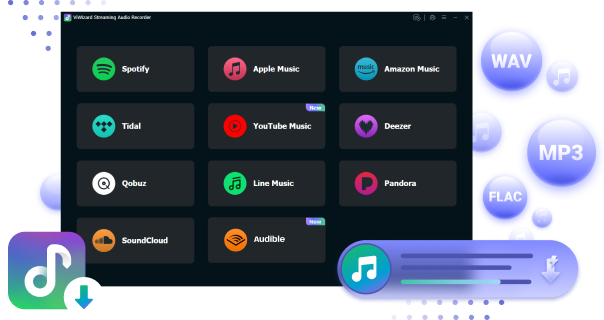
ViWizard Apple Music Converter is one of the most widely recommended desktop tools for ripping Apple Music tracks into permanent audio files such as MP3, FLAC, WAV, or AAC. It runs on Windows and macOS and accesses Apple Music through a built in Web Player. In practice, the interface feels similar to browsing Apple Music itself. From there, you can sign in, browse your library, and add albums, playlists, or entire collections to the conversion queue. The software keeps metadata such as artist names, album art, and track numbers, which helps the converted files stay organized in a music library. Beyond basic ripping, ViWizard focuses on ease of use. Its simple interface makes converting Apple Music songs straightforward, even for beginners.
Key Features of ViWizard Apple Music Converter
Free Trial Free Trial* Security verified. 5, 481,347 people have downloaded it.
- Convert Apple Music songs, albums, playlists, and artists into MP3 for easy access
- Preserve lossless audio, high-resolution lossless, and Dolby Atmos quality
- Strip DRM from Apple Music for unrestricted offline listening
- Save converted audio files while retaining full ID3 tag details
- Easy to use
- Supports multiple audio formats
- Converts playlists and albums in batches
- Keeps song details and album art
- Free trial has limits
- Requires installation
- Full version is paid
02NoteBurner Apple Music Converter

- Platform: Windows and macOS
- Output formats: MP3, AAC, WAV, FLAC, AIFF, ALAC
- Bitrate: Up to lossless
- Speed: Up to 10× faster conversion
NoteBurner Apple Music Converter is one of the longer running Apple Music ripping tools. It converts Apple Music tracks, iTunes purchases, and audiobooks into formats like MP3, AAC, FLAC, AIFF, or ALAC.
The program focuses on fast conversion and high quality output while keeping metadata such as album artwork, artist names, and track details. For large libraries this helps the converted files remain organized after ripping Apple Music tracks to local storage. Batch conversion is also supported, which makes it practical for converting full playlists or albums.
Read More: NoteBurner Apple Music Converter Review & Guide
- Supports MP3 and other formats
- Converts multiple songs at once
- Keeps song details and lyrics
- Includes a tag editor
- Free trial has limits
- Requires installation
- Full version is paid
03TuneFab Apple Music Converter

- Platform: Windows and macOS
- Output formats: MP3, M4A, WAV, FLAC
- Bitrate: Up to 320 kbps
TuneFab Apple Music Converter is another desktop tool designed for ripping Apple Music streams into standard audio formats. It works through a built in Apple Music web player where you log in, select tracks or playlists, and add them to a conversion list.
The Apple Music converter is now part of the broader TuneFab All‑in‑One Music Converter toolkit, which supports several streaming platforms. Batch conversion and metadata preservation are included, making it practical for downloading large Apple Music playlists as local files.
Read More: TuneFab Apple Music Converter Review & Guide
- Supports multiple audio formats
- Converts songs, playlists, and albums
- Keeps song details and album art
- Includes a built-in Apple Music player
- Free trial has limits
- Requires installation
- Full version is paid
04Sidify Apple Music Converter

- Platform: Windows and macOS
- Output formats: MP3, AAC, WAV, FLAC, AIFF, ALAC
- Audio output: Lossless supported
Sidify Apple Music Converter is a desktop tool designed to convert Apple Music tracks into common audio formats. It offers a graphical interface, making it easier to use than command-line tools. Users can select music, choose an output format, and adjust available conversion settings. Its main appeal is batch conversion and support for multiple output formats, although features and pricing depend on the version.
Read More: Sidify Apple Music Converter Review & Guide
- Supports multiple audio formats
- Converts multiple songs at once
- Keeps song details
- Includes tag-editing tools
- Free trial has limits
- Requires installation
- Full version is paid
05Gamdl
- Platform: Windows, macOS, and Linux
- Output formats: AAC, ALAC, Dolby Atmos, and other supported formats
Gamdl is a free, open-source Apple Music downloader that runs through the command line. It supports downloading songs, albums, playlists, music videos, and artist collections, along with features such as synced lyrics and automatic metadata tagging. However, it requires Python, an active Apple Music subscription, and browser cookies for authentication. Setup and configuration can be more technical, making it better suited to users who are comfortable with command-line tools.
Read More: Gamdl Apple Music Downloader Review & Guide
- Free and open-source
- Supports songs, albums, playlists, and music videos
- Saves song details and synced lyrics
- Offers flexible settings
- Requires extra setup
- Uses command-line controls
- Requires Apple Music login details
Part 4. Is It Legal to Rip Music from Apple Music?
Yes, this topic can be confusing because streaming music works differently from purchased music. Songs available through Apple Music as part of a subscription are protected by digital rights management. This protection prevents them from being freely converted or used outside authorized apps.
Music purchased from the iTunes Store is different. These tracks are usually provided as DRM free AAC files and can be converted to MP3 using the built in tools in the Music app.
Subscription tracks remain protected, and removing that protection may violate copyright laws in some regions. Enforcement usually focuses on sharing or distributing music rather than personal listening, but rules can vary by location. If music is converted, it should be kept for personal use.
For this reason, many users recommend purchasing songs instead of ripping them from the Apple Music catalog. Purchased tracks behave like normal audio files and can be converted, transferred, or backed up more easily.
Part 5. Apple Music Ripping vs. Downloading
The main difference is how the music is accessed. Apple Music downloads support offline listening within the app, but subscription content becomes unavailable when the subscription ends.
| Factor | Apple Music Downloading | Apple Music Ripping |
|---|---|---|
| Cost | Requires a subscription for subscription tracks | Converter software may require a one-time payment or subscription |
| File format | Stored within the Apple Music app | May support MP3, WAV, and FLAC |
| Offline playback | Within the Apple Music app | In compatible music players |
| After subscription ends | Downloaded subscription tracks become unavailable | Previously saved files may remain playable, depending on the source and method |
| Device compatibility | Designed for supported Apple Music apps | Depends on the output format and player |
| Batch processing | Download albums and playlists in the app | Some converters process multiple tracks at once |
| Best for | Offline listening in Apple Music | Creating separate audio files |
Choose Apple Music for straightforward offline listening, or choose ripping tools to create standalone files that can be kept long-term. In either case, make sure your intended use is permitted, even for personal listening.
Part 6. Conclusion
Apple Music doesn't authorize ripping its protected music, so users may consider Apple Music rippers such as ViWizard Apple Music Converter. It supports batch conversion, multiple output formats, and metadata preservation, making it convenient for both occasional downloads and more extensive music backups. Visit the official ViWizard Apple Music Converter website to learn more and check the available version and pricing.
You May Be Interested

14 Best Tools to Rip Spotify Music on Mobile, Desktop, and Online

5 Proven Methods to Rip Music from TIDAL (With 10+ Top Rippers)
7 Best YouTube Audio Rippers to Rip Music from YouTube

6 Free Apple Music Downloaders You Can Try in 2026

Record Apple Music: Best Apple Music Recorders You Can Try

Online Apple Music Downloaders for Songs, Albums, and Playlists

Nick Orin often turns to tech forums to see what apps people are talking about. He likes testing different software, comparing features, and finding out which tools are worth a try.

Leave a Comment (0)