


Among the many options available, Apple Music and Amazon Music are two of the most popular. You may have already tried them through a free trial and now wonder which one to stick with longer term.
Both Apple Music and Amazon Music offer different strengths. Apple Music is often preferred by iPhone users who value strong integration with the Apple ecosystem and a large music library. It is best suited for users already invested in Apple hardware. Amazon Music offers strong value for Amazon Prime members, with Alexa integration, flexible plans, and a large catalog, though the interface may feel less intuitive compared to Apple Music.
Choosing between them is not always simple. This comparison breaks down the features, pricing, audio quality, device support, and overall experience of both services. It also includes a bonus tip on how to switch between Apple Music and Amazon Music using ViWizard Free Music Transfer.
Part 1. Apple Music vs Amazon Music: Overview
Apple Music and Amazon Music are two major music streaming services, but they are built for different ecosystems and listening habits. Both offer large music libraries, but they differ in how users access and experience the service in daily use.
What Is Apple Music

Apple Music is a music streaming service created by Apple and launched in 2015. It gives users access to a large catalog of songs, albums, and playlists across devices. It works mainly on Apple devices such as iPhone, iPad, Mac, Apple Watch, and HomePod, while also supporting Android and Windows. Users can stream music on demand without owning the files.
Apple Music is often used for a more organized listening experience. It offers playlists, radio stations, and recommendations based on what users listen to. Many users choose it because they already use Apple devices.
What Is Amazon Music

Amazon Music is a music streaming service developed by Amazon. It was launched in 2007 and later expanded into a full streaming platform with a large music catalog. It is available on phones, computers, smart TVs, and Amazon devices such as Echo speakers. It is closely integrated with Alexa voice control.
Amazon Music is often used by Amazon Prime members and people who want easy access to music. It is popular for smart home use because users can play music with voice commands.
Part 2. Apple Music vs Amazon Music: Key Differences
Then we look at the key differences that shape how each service performs in daily use.
Music Library
Apple Music and Amazon Music both offer catalogs exceeding 100 million songs, covering a wide range of regional and international content, plus music videos for premium users. At the content level, there is no major difference in mainstream availability or overall size. However, Amazon Music includes built-in podcast access, while Apple Music keeps podcasts in the separate "Podcasts" app.
The difference is more noticeable in structure and browsing. Apple Music focuses on albums, artists, and curated collections, making navigation more coherent and intentional. Amazon Music offers similar access but feels more segmented, with discovery driven by algorithms and category-based browsing. For music discovery, Apple Music performs better than Amazon Music and many competitors.
User Experience and Interface
Apple Music is a clear winner in interface design. It uses a clean, minimalist layout focused on content. On iOS, the Liquid Glass design feels especially refined. Both the app and web version center on key sections like Home, New, Radio, Library, and Search. The Library view is customizable, including Playlists, Artists, Albums, Songs, and Downloads. This helps users focus on what matters most. The main drawback is iTunes on Windows 10, which is less polished than the Apple Music app on Windows 11 and Mac.
Sync Library keeps everything synced across Apple devices without setup. However, deep system integration can make some settings, like Crossfade or Sound Check, somehow harder to locate. Amazon Music takes a more utility-focused approach. It is functional, but the layout is basic and varies across mobile, desktop, and smart devices. While it handles music and podcasts well, navigation leans heavily on recommendations, which can feel less focused on personal library control.
Lossless Audio, Hi-Res Audio, and Dolby Atmos
Both services support high-resolution audio up to 24-bit/192 kHz. Apple Music uses ALAC, while Amazon Music uses FLAC. Both also support Dolby Atmos. Apple Music integrates Spatial Audio more deeply within its ecosystem, especially on AirPods, Beats, and HomePod, where playback adapts automatically. Most tracks are available in lossless format by default, which is a key advantage.
Amazon Music also supports Dolby Atmos and Sony 360 Reality Audio, but availability depends more on device compatibility rather than a unified system experience.
Device and Platform Support
Apple Music is integrated across Apple devices, including iPhone, iPad, Mac, Apple Watch, and HomePod, while also supporting Android, Windows, and web. The best performance and consistency are within the Apple ecosystem, supported by iCloud syncing and Siri.
Amazon Music is built for wider device compatibility. It runs on iOS, Android, Windows, Mac, and web, but its main strength is Alexa integration. Echo devices, Fire TV, and multi-room setups are deeply connected, making it strong for home audio systems.
Both support CarPlay and Android Auto, so in-car use is fully covered. The main difference is ecosystem focus: Apple devices versus Alexa-enabled smart home setups.
Pricing and Plans
Each service has a different pricing structure.
Apple Music Plans
| Plan | Price (US) | Price (UK) | Price (EU approx) |
| Individual | $11.99/month | £11.99/month | €11.99/month |
| Student | $6.99/month | £6.99/month | €6.99/month |
| Family (up to 6) | $19.99/month | £19.99/month | €19.99/month |
| Free Trial | 1–3 months (varies) | 1–3 months | 1–3 months |
Notes:
- All plans include Lossless + Dolby Atmos at no extra cost
- No free ad-supported tier
Apple Music uses a simple subscription model with individual, student, and family plans. It requires an active subscription, and access stops once it expires. Downloaded music and library access are also removed. The library itself can only be restored shortly after renewing the subscription.
Amazon Music Plans
| Plan | Price (US) | Price (UK) | Price (EU approx) |
| Prime Music (included with Prime) | Included with $14.99/month Prime | Included with £8.99/month Prime | Varies by country |
| Music Unlimited Individual | $12.99/month | £12.99/month | €12.99/month |
| Single Device (Echo only) | $6.99/month | £6.99/month | €6.99/month |
| Family (up to 6) | $21.99/month | £21.99/month | €21.99/month |
| Free Trial | ~1 month | ~1 month | ~1 month |
Notes:
- HD, Ultra HD, and Dolby Atmos require Music Unlimited
- Prime version has a limited catalog compared to Unlimited
Amazon Music is more flexible. It offers Amazon Music Prime and Amazon Music Unlimited. Prime Music is included with Amazon Prime at no extra cost, while Unlimited unlocks the full experience. Both include access to the full catalog, but high-resolution audio and full control require Unlimited. Prime users get ad-free listening, but playback is shuffle-only, and full control is limited to "All-Access Playlists".
With Apple Music's recent price increase, Amazon Music is often more budget-friendly. However, Apple Music still offers strong value through ecosystem integration and features like Spatial Audio.
Unique Features
Apple Music:
Ability to upload personal music and stream it alongside the full catalog
Dedicated Apple Music Classical app for classical music discovery and playback
Deep integration with Apple devices, Siri, CarPlay, and native system apps
High-resolution Lossless audio and Dolby Atmos Spatial Audio included at no extra cost
AI-generated playlists based on prompts, moods, and listening context
Accessibility-focused haptic playback that converts music into tactile feedback
Amazon Music:
Voice-controlled music experience powered by Alexa with natural language commands
Large library of HD and Ultra HD lossless music in the Unlimited plan
Dolby Atmos and Sony 360 Reality Audio support for immersive listening
Strong Echo device integration with multi-room audio control
Curated listening modes such as artist-guided playback experiences
Audible audiobook integration included with select subscription benefits
TL;DR:
Apple Music offers a more structured and consistent experience, best for album listening, library organization, and seamless device syncing within a connected ecosystem. Amazon Music is more focused on smart-home use, with strong Alexa integration and voice control, while offering a more basic experience for browsing and library management outside that setup.
Part 3. Apple Music vs Amazon Music: Which Should You Choose?
We move into which service may be a better fit depending on different listening needs and user bases.
-

Ecosystem Integration vs. Smart Speaker Convenience
Apple Music is tightly integrated with the Apple ecosystem, and this is often the main reason users choose it. It syncs across iPhone, Mac, Apple Watch, and AirPods, keeping playlists and libraries consistent without setup effort. iCloud Music Library and device handoff make it feel built into the system. Amazon Music is mainly chosen for Alexa and Echo devices. Users rely on voice control and multi-room playback, which makes it a natural fit for smart speakers.
-
Curated Discovery vs. Utility-First Listening
Apple Music users often rely on curated discovery, including editorial playlists, recommendations, and structured browsing. The experience focuses on albums, artists, and guided suggestions. Amazon Music users are more utility-focused. They mainly play specific songs, albums, or playlists directly. Discovery is less important, and users rely more on search and voice commands.
-
Audio Quality Perception vs. Practical Listening Needs
Apple Music is often preferred for consistent playback quality, especially on AirPods and Apple devices. Features like Spatial Audio and lossless streaming support this. Amazon Music also offers high-quality and lossless options, which appeal more to users with home audio or hi-fi systems. In most cases, audio quality is not the main factor unless users are actively comparing services.
-
Subscription Bundles vs. Default Inclusion Value
Apple Music is commonly used through Apple One or family plans, where value comes from ecosystem bundling. Amazon Music is often included with Amazon Prime, which makes it a default service rather than a deliberate choice. In real use, bundles often matter more than standalone price differences.
-
App Experience and Usability Expectations
Apple Music is seen as more polished, with cleaner navigation and better library management. It is often preferred for long-term music organization. Amazon Music is functional but more cluttered, with a denser interface that can feel less intuitive for some users.
-
Real-World Switching Triggers
Users rarely switch based on features alone. Apple Music usually gains users through Apple device adoption and deeper ecosystem use. Amazon Music gains users through Alexa devices or Amazon Prime. Switching is mostly driven by ecosystem and subscription alignment, not catalog differences.
Apple Music Is Better If You:
Apple Music works better if you're already using Apple devices like iPhone, Mac, Apple Watch, or AirPods. It keeps your music, playlists, and library synced across everything without extra effort. It also fits well if you like discovering music through curated playlists and recommendations. Overall, it feels like a better choice if you want a more connected and organized music experience.
- Large music library with well organized albums and playlists
- High quality audio with Lossless and Dolby Atmos included
- Works smoothly across iPhone, Mac, and AirPods
- Clean and simple app that is easy to use
- Strong curated playlists and editorial picks
- No free ad supported version
- Works best inside the Apple ecosystem
- Limited focus on smart speakers and voice control
- Music discovery is more curated than algorithm based
- Some flexibility is limited for non Apple users
Amazon Music Is Better If You:
Amazon Music works better if you use Alexa or Echo devices at home. It's easy to control with your voice and good for simple, direct playback without much browsing. It also makes sense if you already have Amazon Prime and want music included in that setup.
- Included with Amazon Prime for basic access
- Easy voice control with Alexa
- Works well with Echo speakers and smart home devices
- High quality audio with HD, Ultra HD, and Dolby Atmos
- Good for hands free and multi room listening
- App design can feel less smooth in some areas
- Browsing and library organization are less refined
- Full features require Music Unlimited subscription
- Works best mainly within the Amazon and Alexa ecosystem
- Music discovery is not as strong as some competitors
Part 4. Apple Music vs Amazon Music: Which Is Better?
We also include a side-by-side comparison table to make the differences easier to scan at a glance.
| Feature | Apple Music | Amazon Music Unlimited |
|---|---|---|
| Music Library | 100+ million songs | 100+ million songs (Unlimited plan) |
| Offline Downloads | Up to 100,000 songs | Unlimited (with Unlimited plan) |
| Ad-Free Listening | Yes | Yes (with Unlimited plan) |
| Free Plan | No | Yes (shuffle-only, limited features) |
| Family Plan | $16.99/month (up to 6 accounts) | $14.99/month (up to 6 accounts) |
| Student Discount | $5.99/month (with Apple TV+) | $4.99/month |
| Supported Devices | iOS, macOS, Windows, Android, HomePods | iOS, Android, Windows, macOS, Alexa, Fire TV |
| Audio Quality | Lossless, Spatial Audio | HD, Ultra HD |
| Voice Control | Siri | Alexa |
| Cost (Individual) | $10.99/month | $9.99/month (Prime members), $9.99 without Prime |
| Cost (Family) | $16.99/month | $14.99/month |
Apple Music is the better overall service for most users due to its more consistent interface, stronger library organization, and deeper integration across devices. It provides a more complete and polished listening experience for everyday music use within a connected ecosystem.
Amazon Music is still a strong option for users who prioritize smart home control and Alexa-based listening, but it is more situational in its strengths compared to a broader everyday music experience.
Overall, Apple Music delivers the more well-rounded and dependable platform for music streaming.
Part 5. How to Transfer Between Apple Music and Amazon Music
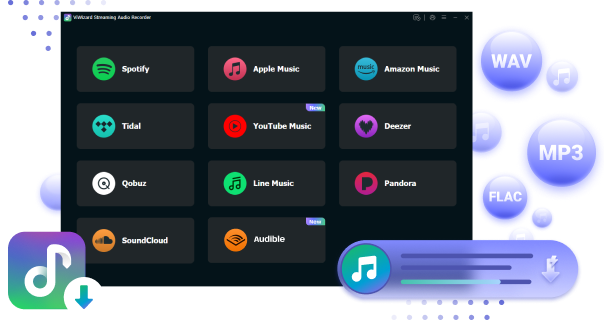
If you decide to switch platforms, whether from Apple Music to Amazon Music or Amazon Music to Apple Music, switching between them can be difficult if done manually. A simpler option is using ViWizard Free Music Transfer, which connects both services and transfers music directly between them. It links your accounts and automatically matches songs across platforms, so playlists can be moved without rebuilding them one by one. Most popular tracks transfer correctly, while unavailable songs are skipped if they don't exist on the target service.

Want to move from Apple Music to Amazon Music? Discover the best ways to transfer your playlists and iTunes library in a few simple steps.
ViWizard is commonly used for larger libraries because it supports batch transfers and helps preserve playlist order and structure. It can move playlists, albums, and tracks while keeping organization consistent, making it faster than manual or basic web tools. A free trial is available for testing smaller transfers before upgrading to full use.

Key Features of ViWizard Free Music Transfer
Free Trial Free Trial* Security verified. 5, 481,347 people have downloaded it.
- Transfer songs, playlists, albums, and collections across 7 platforms
- Move music libraries when switching between streaming services
- Transfer playlists without rebuilding collections manually
- Keep music organization during platform migration
- Manage playlist transfers across supported streaming services
 Step 1: Connect your music services
Start by choosing the platform you currently use and signing in to link your account. Then connect the platform you want to move your music to by logging in the same way. This allows the tool to access both libraries and prepare for transfer.
 Step 2: Select content to move
After both accounts are connected, open your music library from the source side. You can select full playlists, albums, artists, or individual tracks. You can move everything at once or only specific items depending on what you want to transfer.
 Step 3: Set the destination
Choose where the selected music should go on the target platform. You can add it to an existing playlist or create a new one with a custom name. Playlists and tracks can be organized during this step, while albums and artist collections are automatically placed in the library.
 Step 4: Start and monitor the transfer
Begin the transfer process and let the tool process items automatically. Progress is shown in real time, including completed tracks, items still in progress, and any that fail to transfer. Unsuccessful items can be retried, and a history view helps track what has been moved and where it was placed.
You May Be Interested


Adam Gorden, the digital media specialist at ViWizard, is dedicated to providing the best solutions for digital media management, including audio and video conversion, file optimization, and media workflow enhancements.

Leave a Comment (0)